

If you’ve been struggling with stubborn belly fat despite dieting and exercising, you’re not alone.
Many people reduce calories, increase cardio, and even try popular fat burners — yet the fat around their stomach barely moves.
What if the issue isn’t just calories?
Recent research suggests that gut health and belly fat may be closely connected. Your gut microbiome — the trillions of bacteria living inside your digestive system — could be influencing how your body stores fat, manages inflammation, and controls metabolism.
Let’s break this down clearly and scientifically.
What Is the Gut Microbiome?
Inside your digestive tract lives a complex ecosystem of bacteria, fungi, and microorganisms. This system is called the gut microbiome.
These microbes help:
- Digest food
- Absorb nutrients
- Produce vitamins
- Regulate metabolism
- Control immune response
- Balance hormones
When your microbiome is balanced, your body functions efficiently.
But when harmful bacteria outnumber beneficial strains, problems can begin.
How Gut Health and Belly Fat Are Connected
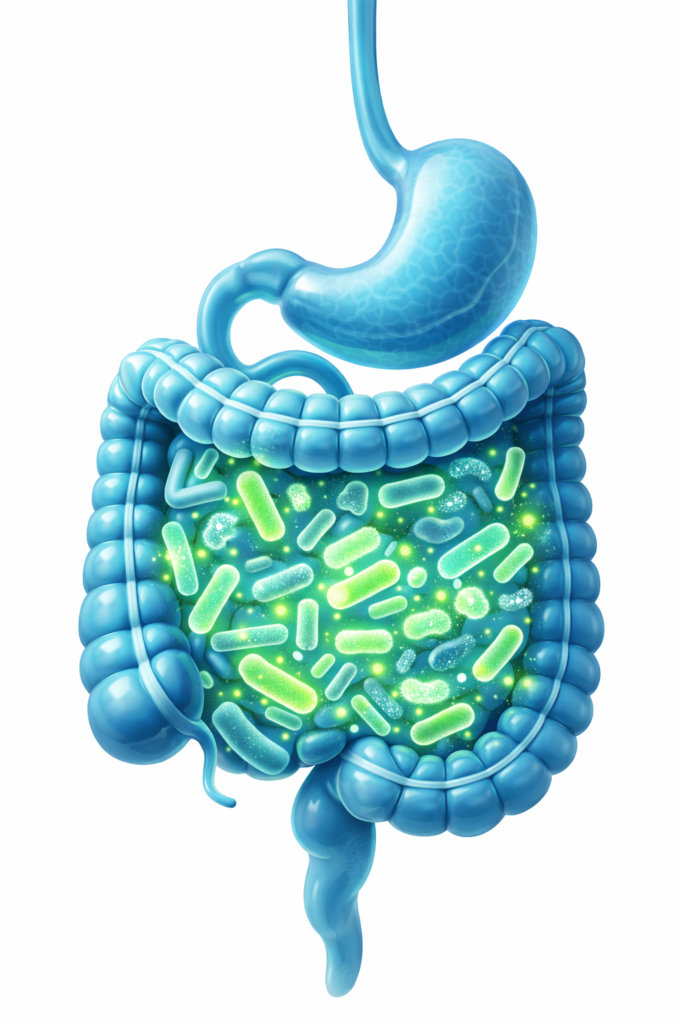
Here’s how poor gut health may contribute to abdominal fat accumulation:
1️⃣ Increased Calorie Extraction
Some types of gut bacteria are more efficient at extracting calories from food.
That means two people can eat the same meal — but one may absorb more calories depending on their microbiome composition.
Over time, this can contribute to weight gain.
2️⃣ Chronic Inflammation
An unhealthy gut can increase systemic inflammation in the body.
Inflammation is strongly associated with:
- Insulin resistance
- Hormonal imbalance
- Increased fat storage around the abdomen
Chronic low-grade inflammation may make belly fat harder to lose.
3️⃣ Insulin Resistance & Blood Sugar Disruption
Gut imbalance can affect how your body processes glucose.
When insulin sensitivity decreases, your body becomes more likely to store excess energy as fat — especially around the midsection.
4️⃣ Appetite & Cravings Regulation
Your gut bacteria communicate with your brain through something called the gut-brain axis.
Certain bacterial strains influence hunger hormones like:
- Ghrelin (hunger hormone)
- Leptin (fullness hormone)
An imbalance may increase cravings, particularly for sugar and processed foods.
Signs Your Gut Might Be Affecting Your Weight
If you’re experiencing several of these symptoms, gut imbalance may be contributing to stubborn belly fat:
- Bloating after meals
- Sugar cravings
- Irregular digestion
- Fatigue
- Brain fog
- Difficulty losing weight
Can Improving Gut Health Reduce Belly Fat?
Emerging studies suggest that certain probiotic strains may support:
- Reduced inflammation
- Improved metabolism
- Better digestion
- Appetite regulation
However, not all probiotics are created equal.
Generic store probiotics often focus on digestive relief — not metabolic support.
Some newer supplements are formulated specifically around microbiome strains linked to weight management.
Gut-Focused vs Metabolism-Focused Supplements
There are generally two approaches in the supplement world:
🔹 Gut-Based Formulas
These focus on:
- Microbiome balance
- Inflammation reduction
- Fat storage regulation
An example often discussed in this category is LeanBiome, which centers around probiotic strains linked to weight support.
🔹 Metabolism-Based Formulas
These focus more on:
- Cellular energy
- Mitochondrial function
- Metabolic activation
Mitolyn is one supplement marketed toward this approach, aiming to support energy production and fat metabolism.
Which Approach Is Better for Belly Fat?
It depends on your root issue.
If you struggle with:
- Bloating
- Cravings
- Digestive discomfort
A gut-focused approach may make more sense.
If you struggle with:
- Low energy
- Sluggish metabolism
- Fatigue
A metabolism-support strategy might be more relevant.
In many cases, improving gut health can create a stronger foundation for overall weight management.
Important: Supplements Are Not Magic
No supplement will eliminate belly fat without:
- A calorie-controlled diet
- Strength training
- Adequate protein intake
- Proper sleep
- Stress management
Supplements should support your system — not replace lifestyle habits.
Final Thoughts

Gut health and belly fat may be more connected than most people realize.
Your microbiome can influence:
- Fat storage
- Cravings
- Inflammation
- Metabolism
If traditional dieting hasn’t worked for you, looking at gut health may provide missing insight.
Before choosing any supplement, always research ingredients, understand the mechanism, and read detailed reviews.